
Deep Dasgupta Warns India Against Repeating Kuldeep Yadav Selection Mistake in Sri Lanka
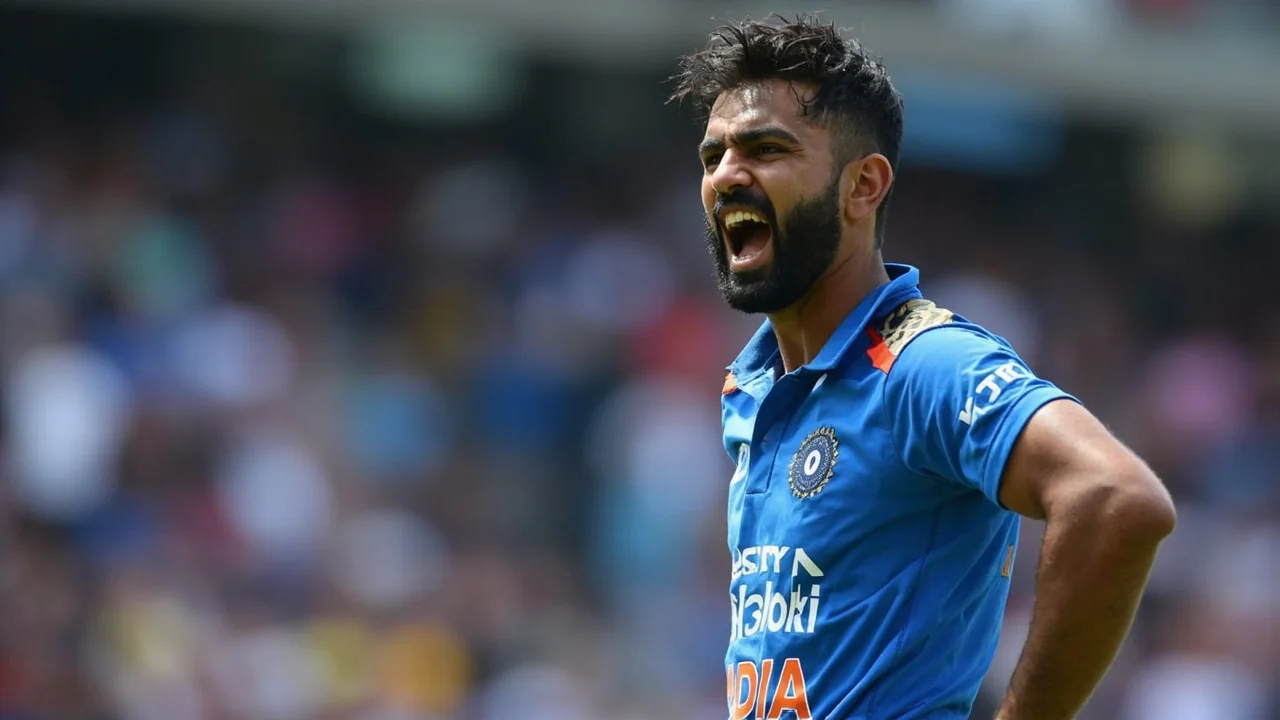
Former India wicketkeeper Deep Dasgupta has publicly asked the Indian team management to pick Kuldeep Yadav in the playing XI for the two-Test series against Sri Lanka starting on 15 August 2026 in Galle. On his YouTube channel, Dasgupta argued India can play three specialist spinners in Galle and even four if conditions demand it. He framed the choice as a repeat-or-correct call after Kuldeep was carried through India's recent 2-1 ODI loss in England without getting on the field. "Kuldeep has to be there. I am talking about four spinners, and you will definitely play with three spinners," he said.
What Dasgupta actually said on his YouTube channel
The Cricket Addictor report by Sahil Agrawal, published 2 August 2026, carries the Dasgupta comments in full. The argument has three parts. First, the 15-member India squad for the Sri Lanka Tests has been picked for spin-friendly conditions, with four spinners and four fast bowlers named. Second, Dasgupta believes India should play three spinners in the XI and is comfortable going to four if Galle's surface offers enough turn. Third, the choice between carrying Kuldeep and using Kuldeep is, in his framing, a direct response to how the England ODI series was handled, where Kuldeep was in the squad but did not get a single game.
On the squad balance: "I think it is a good squad. According to the conditions, seamers are fewer and spinners are more." On Kuldeep specifically: "Kuldeep has to be there. I am talking about four spinners, and you will definitely play with three spinners." Dasgupta added that teams have previously picked four spinners for Tests in Sri Lanka, so a four-spinner XI is not a one-off gamble. It is a precedent the squad numbers already allow.
Why the England ODI tour is the trigger
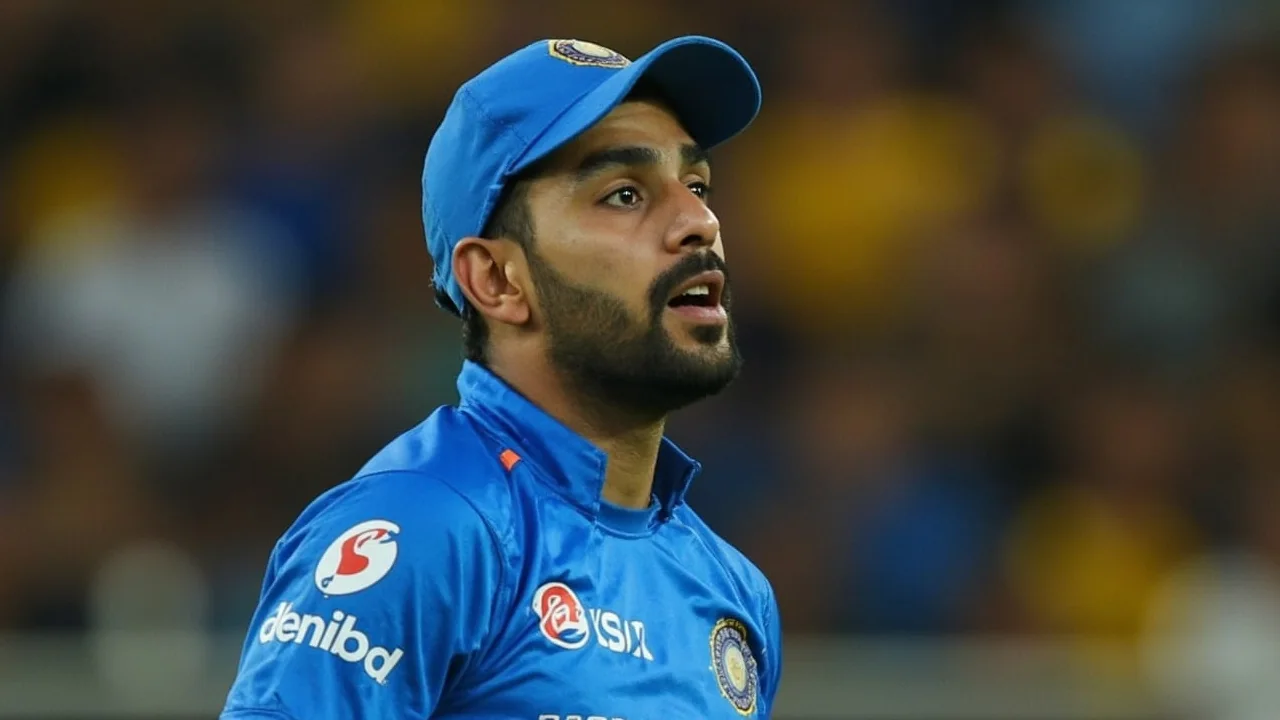
Kuldeep Yadav was named in India's squad for the three-match ODI series in England. India lost the series 2-1. Kuldeep did not play a single game across those three matches. After the ODI series, Kuldeep stayed back in England to join Yorkshire for the ongoing One-Day Cup. The 31-year-old wrist spinner has taken eight wickets in four Yorkshire matches, including the wicket of former England captain Ben Stokes.
That sequence is the lens through which Dasgupta is reading the Sri Lanka call. A 31-year-old specialist spinner who is match-ready, who has form in English conditions, and who has spent two months waiting for a cap, is now on the verge of being carried through a second consecutive series. The framing is straightforward: if Kuldeep is in the squad for a Sri Lanka Test tour built around spin, he should be in the XI in Galle. Anything less repeats the England pattern.
The series-loss context also matters. India went to England with a 50-over squad built around wrist spin, played three matches without selecting Kuldeep, and came home down 2-1. Reading those three games in isolation, the ODI captain and coach had reasons that the public does not see. Reading them together with the Sri Lanka squad shape, the case for not picking Kuldeep again becomes harder to defend on the same conditions-driven logic.
"Kuldeep has to be there. I am talking about four spinners, and you will definitely play with three spinners."
Deep Dasgupta, YouTube channel, 2 August 2026Reading the 15-member India squad for Galle
India's squad was named with Sri Lankan conditions at the front of the selectors' mind. Four spinners and four fast bowlers is not a balanced T20-style mix. It is a Test-specific ratio that assumes turn from day one. The remaining slots cover wicketkeeping, batting depth and a seam-bowling all-rounder. The squad structure is the underlying reason Dasgupta can talk about four spinners without sounding hypothetical. The numbers already permit it.
Inside the spin group, the conversation is about roles, not about quantity. One slot is a frontline off-spinner or left-arm orthodox who can hold an end. One slot is the wrist spinner who can attack both edges of the bat. One slot is a third spinner brought in for variety, either another finger spinner or a second wrist option. The fourth slot, in a four-spinner scenario, is a batting all-rounder who can also bowl spin, useful when India want to bat long and still keep a spinner's overs going. That is the slot Washington Sundar would have filled if he had been fit.
Sundar being ruled out through injury is the reason the Kuldeep case becomes louder rather than weaker. Sundar is the natural spin-bowling all-rounder for away Tests when the balance demands a sixth batting option. With Sundar out, India have one fewer way to fit a third spinner into a balanced XI without dropping a batter. That makes the choice between Kuldeep and a less attacking option more pointed, because the structural cover for leaving Kuldeep out is now thinner.
What Galle specifically asks of the XI
Galle has hosted more India-Sri Lanka Tests than any other ground, and the historical pattern is consistent. The surface offers turn from day one, the square gets slower as the match progresses, and captains who bring spin on early tend to keep control of the run rate. The conditions also tolerate a batting all-rounder who bowls off-spin, because the batting cushion absorbs the pressure of having only three frontline seamers. In other words, Galle is one of the few away venues where a four-spinner brief is not a stretch.
The Dasgupta argument runs through that historical pattern. If the pitch is dry, India will need variety in attack. Wrist spin on a turning surface can take wickets even when the ball is not turning sharply, because batters are forced to take risks against a bowler who can land the googly or the wrong'un at any point. Left-arm wrist spin, which Kuldeep bowls, gives India a different angle to a right-arm off-spinner, and India do not have a second left-arm option in the squad. Removing Kuldeep from the attack removes the only left-arm spin variation available.
There is also a session-by-session read. Morning sessions in Galle often go past the new ball without much help for the seamers. If India start the day with two spinners operating from one end, the opposition captain has to either attack or play for time. The Kuldeep role in those morning spells is the difference between a quiet first hour and a wicket-taking first hour. That is not a marginal gain. Over a five-day Test, it is the kind of gain that swings the match's expected wickets column.
What Dasgupta did not say
Dasgupta's YouTube comments make a case for selection; they do not name the XI. He does not name the player Kuldeep would replace in the batting order, does not propose the bowling combination, and does not suggest the captaincy should change. Shubman Gill remains India's Test captain and Gautam Gambhir remains the head coach for the Sri Lanka series in Dasgupta's framing. The argument is about squad utilisation, not about leadership.
It is also worth noting what Dasgupta does not do. He does not pick a fight with the management, does not question the ODI series selections in England, and does not suggest a specific playing XI. The register is technical and conditional. "If conditions demand it" is a phrase he uses, which leaves the final call with the captain and coach on the morning of the toss. That register is the right one for a former cricketer commenting on a current series. It puts the technical case on the record without dictating team selection.
What this means for fantasy players following the Tests
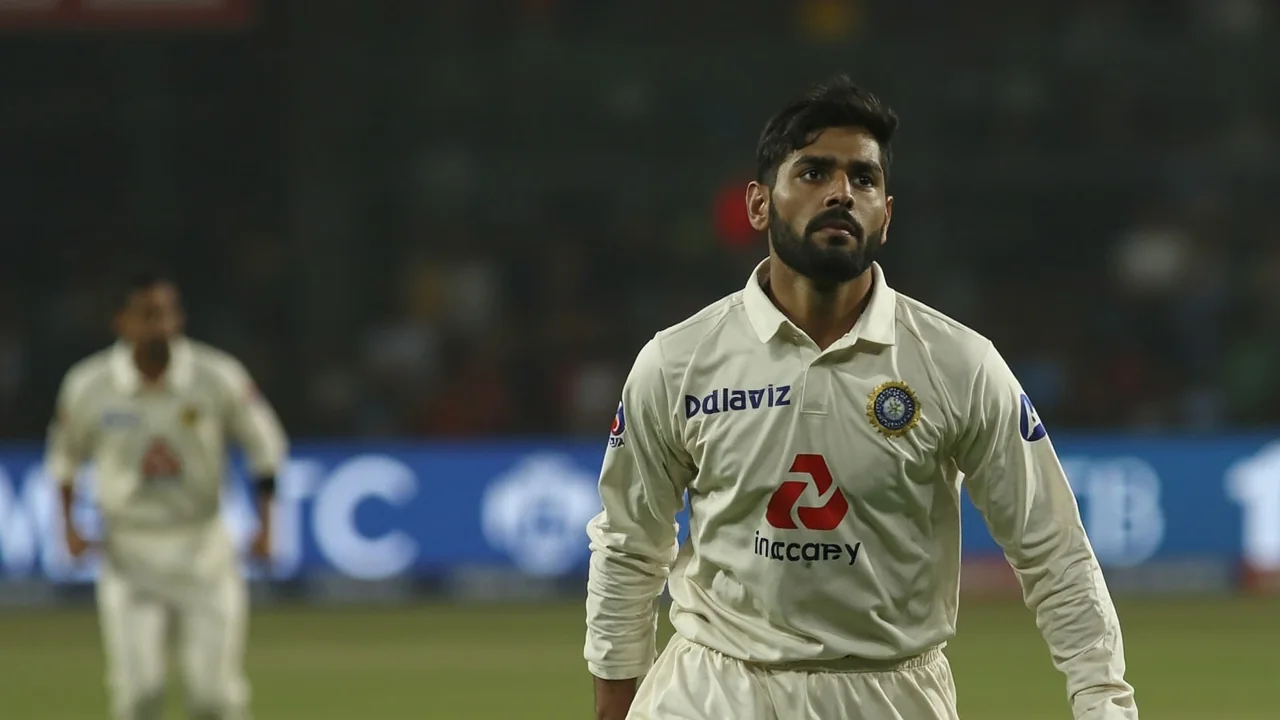
For fantasy players who track the India Test squad across formats, the practical implication is role-driven, not name-driven. If India play three spinners in the XI, the fantasy share of bowling points moves sharply toward the spin group. Kuldeep's wicket ceiling is highest in the first innings on a dry surface, where captains typically feed him long spells. If India play four spinners, the ceiling drops slightly for each individual spinner because overs are shared, but the team share of spin points rises.
For Tests specifically, most fantasy platforms reward wickets and economy more heavily than they reward batting volume from a number eight or nine. A wrist spinner who takes three wickets in an innings earns more than a number six who scores 30 off 80 balls. That tilts the fantasy case for Kuldeep's selection even harder than the on-field case. It also raises the value of any Indian batter who can bat with the tail, because batting depth becomes a multiplier in a four-spinner XI.
For Indian cricket readers, the wider point is that selection debates like this one now run in public on YouTube, on X, and on news websites in near-real time. The Dasgupta comments are not an isolated outburst. They are part of a regular cycle in which former cricketers, current pundits, and fantasy analysts all put their selection preference on the record before the squad is locked. That cycle is useful for fantasy readers who want to know which way the public conversation is leaning, but it is not a substitute for waiting on the confirmed XI after the toss.
What this story does not settle
Three things remain open. First, the playing XI: India have not yet confirmed whether Kuldeep plays the first Test at Galle. The squad permits three or four spinners, but the captain and coach hold the final call. Second, the role question: if Kuldeep plays, the bowling order between the three frontline spinners is a captain's choice that will only be visible at the toss. Third, the response to Sundar's absence: how India replace the spin-bowling all-rounder role, whether by rejigging the batting order or by trusting a different bowler to share the spin load, will not be settled until the first Test is underway.
The Dasgupta comments also do not settle the wider India Test selection narrative. The conversation about wrist spin in overseas conditions, the choice between attacking bowlers and containing bowlers, and the use of Washington Sundar as a long-term spin-bowling all-rounder are all open threads that will run through the 2025-26 WTC cycle. Two Tests in Sri Lanka will not finish that conversation. They will sharpen it.
Questions readers are asking
What did Deep Dasgupta say about Kuldeep Yadav before the Sri Lanka Test series?
On his YouTube channel, Deep Dasgupta said "Kuldeep has to be there. I am talking about four spinners, and you will definitely play with three spinners." He framed the choice as a repeat-or-correct call after Kuldeep was carried in the England ODI squad without a game.
When does India's Test series against Sri Lanka start?
The two-match Test series begins on 15 August 2026 at Galle. It is part of the ICC World Test Championship 2025-26 cycle.
Why was Kuldeep Yadav in England but did not play the ODIs?
Kuldeep was named in India's squad for the three-match ODI series in England but did not play a single game; India lost the series 2-1. After the ODIs he stayed back to play for Yorkshire in the One-Day Cup, where the 31-year-old took eight wickets in four matches, including the wicket of Ben Stokes.
What did Dasgupta say about the squad balance for Galle?
Dasgupta said the 15-member squad is well picked because "according to the conditions, seamers are fewer and spinners are more". India's squad lists four spinners and four fast bowlers, with the squad shaped by Sri Lanka's spin-friendly conditions.
Who else was unavailable for the Sri Lanka Tests and how does that change the spin math?
Washington Sundar was ruled out through injury. Dasgupta said Sundar would have been the first-choice spin-bowling all-rounder if fit, so his absence is the reason Kuldeep's case becomes louder rather than weaker.
Source note
Primary source: Cricket Addictor report by Sahil Agrawal titled "Deep Dasgupta Warns India Against Repeating Kuldeep Yadav Selection Mistake in Sri Lanka", published 2 August 2026 at 18:57 IST. Confirmed facts used in this file: Dasgupta's verbatim YouTube comments on Kuldeep Yadav and squad balance, the dates of the Sri Lanka Test series (first Test 15 August at Galle), the WTC 2025-26 cycle, the England ODI squad and result (India 1-2), Kuldeep's Yorkshire One-Day Cup return (eight wickets in four matches including Ben Stokes), the 15-member India Test squad shape (four spinners, four fast bowlers), Washington Sundar's injury, Shubman Gill's captaincy and Gautam Gambhir's head coach role. Publisher URL is cricketaddictor.com. Dasgupta's YouTube channel is the venue for the direct quotes. For the wider India team sheet, squad structure and selection history, the player role notes and weekly form tracker carry the rest of the editorial coverage.